
A calm corner is a small, quiet space in your classroom where a child can go to settle big feelings before they boil over. It isn’t a punishment, and it isn’t a reward. It’s a tool, the same as a pencil sharpener or a number line.
Done well, it saves you time. A child who can take three minutes to reset is a child who doesn’t need fifteen minutes of your attention later.
What you need (less than you think)
You don’t need a beanbag budget. Most calm corners that work have just five things:
- A defined space. A corner, a mat, or a reading nook. Somewhere the child can see the class but feel slightly apart.
- Something to sit on. A cushion or a small chair.
- A feelings check-in. So the child can name what’s happening. Try our free Personal Emotion Indicator Posters.
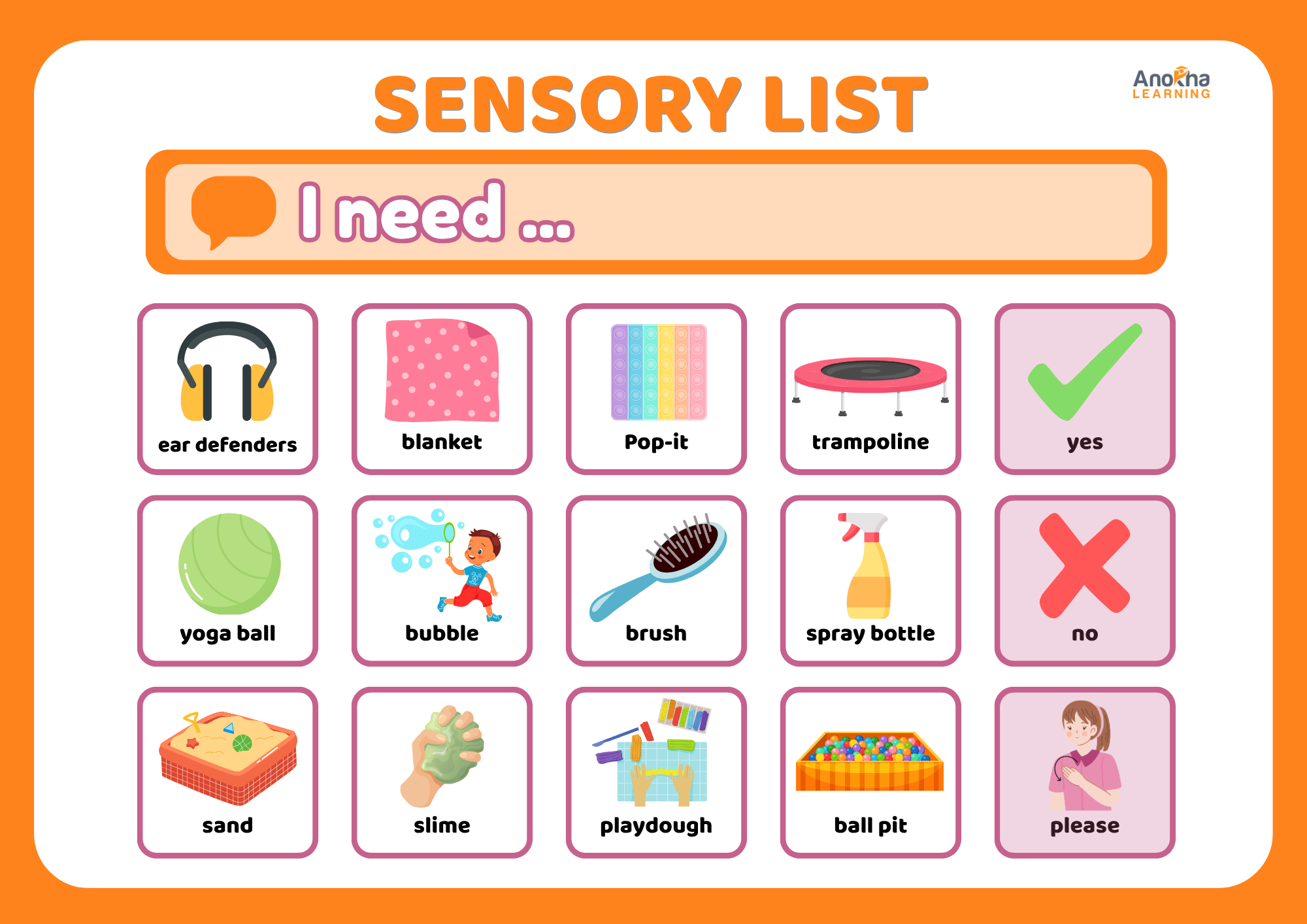
- A short menu of calming choices. Breathing, squeezing a stress ball, looking at a picture book. Our free Sensory Choice Board: I Need… does this job.
- A way back. A simple prompt for returning to work, like a sand timer or a “ready to go back” card.
That’s it. Resist the urge to fill it with toys. A busy calm corner isn’t calm.
How to introduce it
The biggest mistake is setting it up over the weekend and saying nothing. Children need to practise using it when they’re calm, so they know what to do when they’re not.
- Show it to the whole class. Explain that everyone has big feelings sometimes, including you.
- Model it. Sit in it yourself. Point to a feeling. Choose a calming strategy. Use the timer. Walk back.
- Practise in pairs. Let a few children try it each day for the first week, with no problem to solve.
- Agree the rules together. One person at a time. A set number of minutes. No need to ask permission (or a quick signal, if you prefer).
Make it part of your routine
A calm corner works best when calming down is something the whole class does, not just the child who’s struggling. Try a two-minute breathing break after yard, or a quick feelings check-in first thing in the morning. Our Self-Regulation Worksheet is a good way to help older children plan what works for them.
What teachers say
Here’s what one teacher said after completing our Calm Bootcamp course this summer:
“I thoroughly enjoyed this course and found it full of practical, easy-to-implement strategies that I can use every day in the classroom. It has given me a greater understanding of children’s emotional well-being, and I feel more confident supporting both my students’ well-being and my own.”
Shakira, teacher
Go deeper
If you’d like a fuller toolkit for a calmer classroom, Calm Bootcamp is our online EPV summer course for Irish primary teachers. It’s done at your own pace, from home. See Calm Bootcamp or browse all our EPV summer courses.
Free downloads in this post: Sensory Choice Board · Personal Emotion Indicator Posters · Self-Regulation Worksheet
Over 10,000 Irish primary teachers have taken an Anokha course
Summer 2027 Course Updates
We're planning our Summer 2027 courses. The course lineup, Department of Education approval and booking dates are not yet confirmed. Join our email list for useful teaching ideas, free resources and updates about our summer courses.
Get Anokha UpdatesUnsubscribe at any time.